With growing instability across the Sahel, how can Ghana help?
SpeakerS
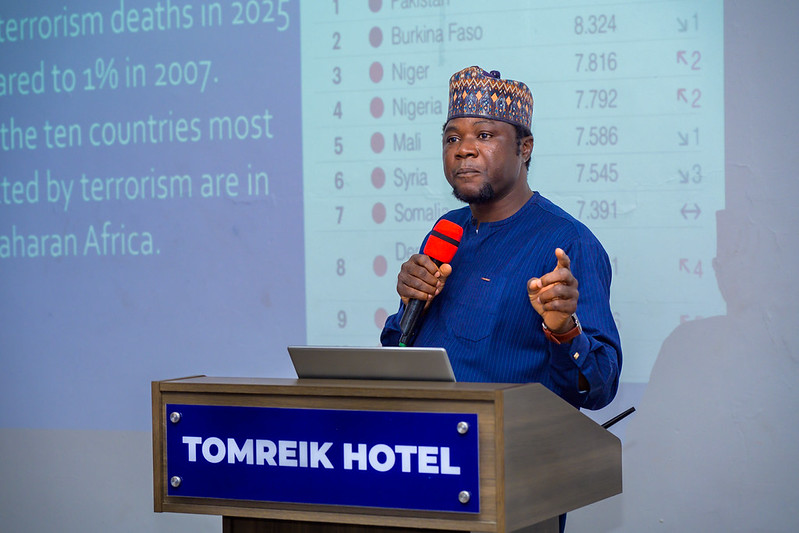
Mutaru Mumuni Muqthar
PAST EVENT
Friday 21 August 2026
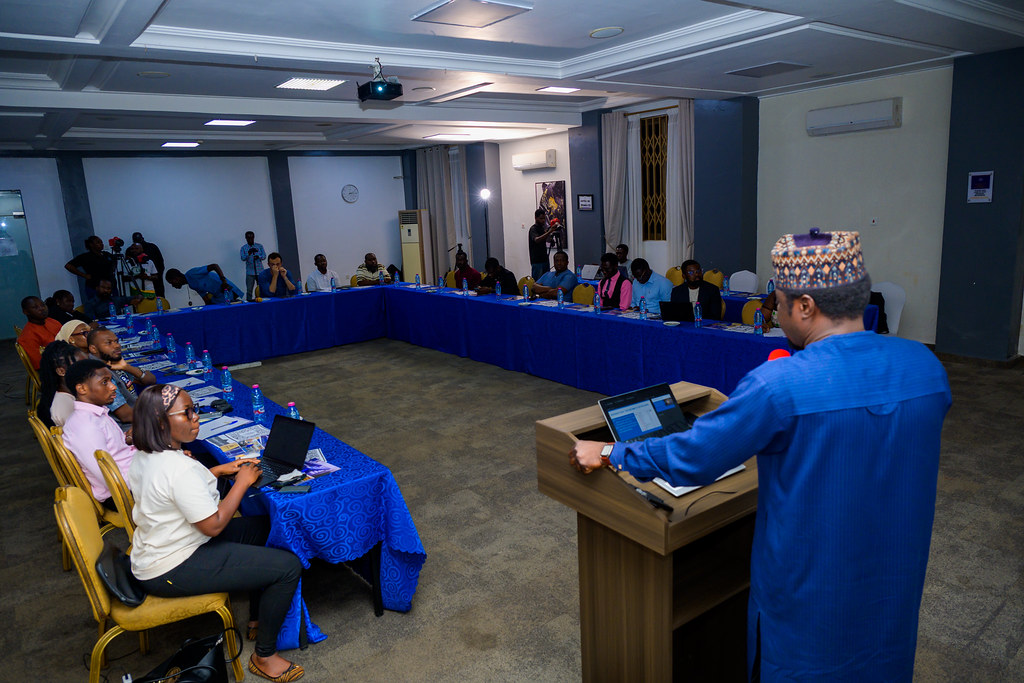
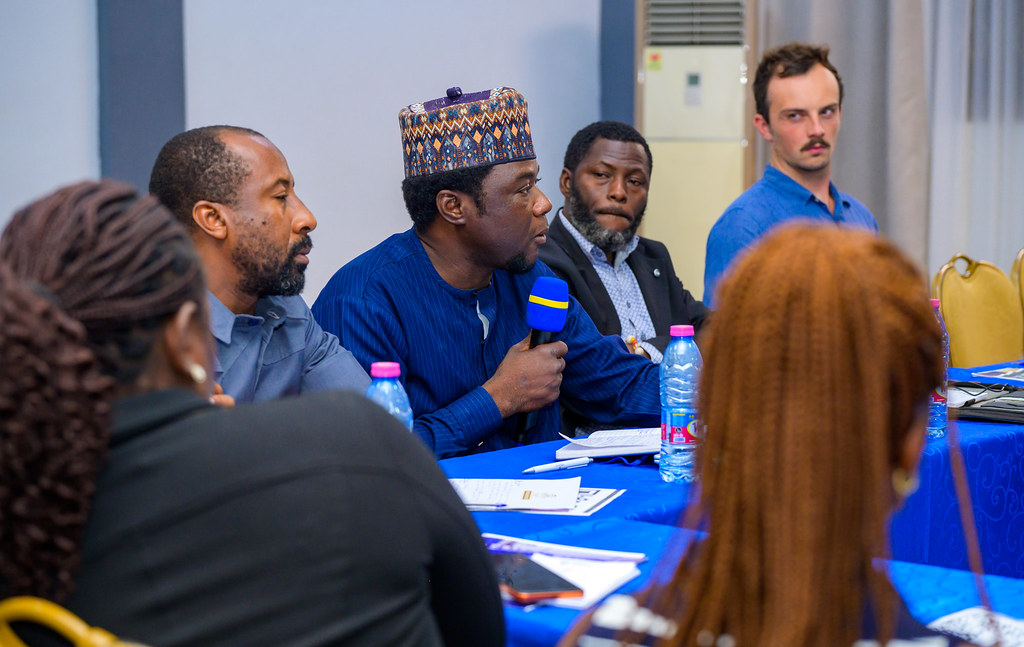
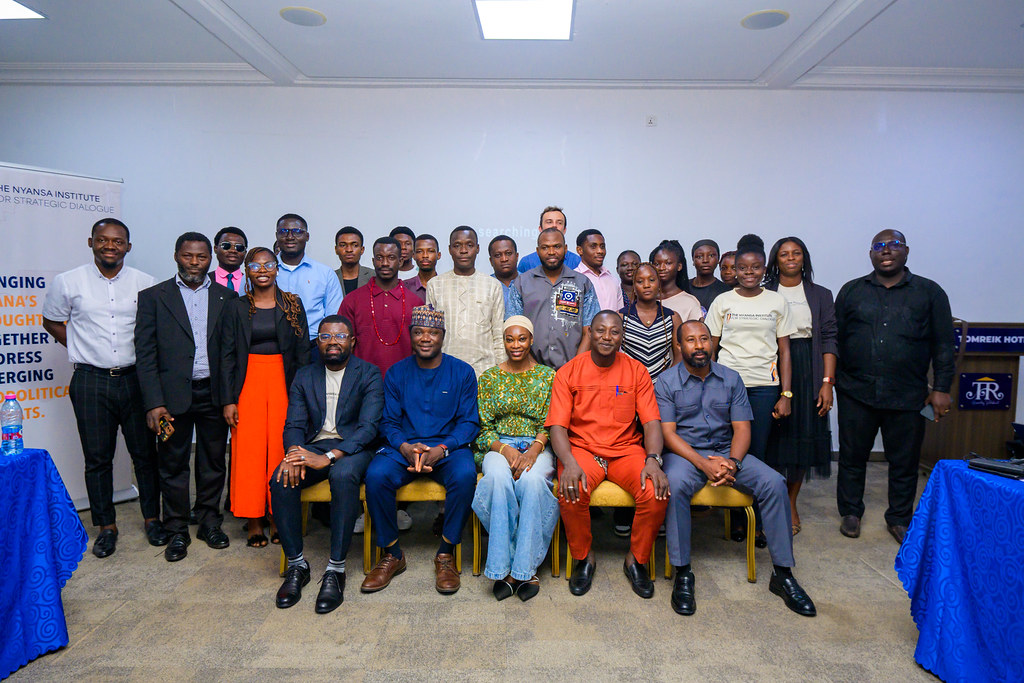
The Nyansa Institute for Strategic Dialogue’s Third Dialogue brought together voices from policy, academia, civil society, and the public to explore Ghana’s role in responding to the growing security challenges facing West Africa. From thought-provoking reflections to engaging exchanges, the evening created space for candid conversations on Ghana’s leadership, regional security, and the choices that will shape West Africa’s future.
What Ghana can learn from the Third Nyansa Dialogue on security and instability in the Sahel
The security crisis in the Sahel is no longer a distant concern for West Africa’s coastal states. As violent extremism, political instability and governance challenges continue to reshape the region, Ghana faces an increasingly important question: How can it protect its own stability while contributing to a more secure West Africa?
This was the central question at the Third Nyansa Dialogue, held on 21 August 2026 under the theme “With Growing Instability Across the Sahel, How Can Ghana Help?” Mutaru Mumuni Muqthar, Executive Director of the West Africa Centre for Counter Extremism (WACCE), led the discussion.
Several important lessons emerged
1. Ghana’s stability should not be mistaken for immunity
Ghana has maintained a comparatively stable democratic and political environment while instability has intensified elsewhere in the region. But geographical proximity is changing the nature of the threat. For Ghana, the lesson is clear: preparedness cannot begin after a crisis reaches the country’s borders. The question is therefore not simply whether Ghana is currently experiencing terrorism, but whether its institutions, communities and security systems are sufficiently prepared to prevent the conditions that allow violent extremism to take root.
2. Military action alone cannot defeat violent extremism
One of the strongest messages from the lecture was that counter-terrorism cannot be reduced to military operations.
“The battle against terrorism cannot be won on the battlefield. It is won in the mindset.”
Military intervention can contain immediate threats, but sustainable security requires attention to the conditions that make communities vulnerable to extremist recruitment. This means addressing governance failures, marginalisation, weak institutions, youth unemployment and the grievances that can create fertile ground for radicalisation. The lesson for Ghana and other countries is that security policy must be connected to development and good governance.
3. Human security is national security
The discussion also challenged the tendency to view security primarily through the lens of borders, armed groups and military capacity.
“Human security is national security.”
Young people, in particular, need to be understood not simply as potential security risks but as citizens whose aspirations, economic circumstances and sense of belonging can influence the resilience of their communities. This places employment, opportunity, inclusion and responsive institutions within the broader security conversation.
4. Regional security depends on relationships
The Sahel crisis has also exposed the difficulties of regional cooperation. The changing relationship between ECOWAS and the Sahelian states means that traditional mechanisms of regional engagement are under pressure. For Ghana, this makes diplomacy particularly important. Effective security cooperation requires countries to trust one another enough to share information, coordinate responses and work together even when political relationships are difficult. As Mutaru noted during the dialogue, a poor relationship with a neighbour can have direct consequences for security cooperation. Ghana’s ability to maintain constructive relationships across the region may therefore be one of its most important assets.
5. Preventing instability requires better governance
Perhaps the most important lesson extends beyond terrorism itself.
The discussion connected violent extremism, coups and political instability to deeper questions about how governments serve their citizens.
“We must never allow conditions that make coups possible in Africa.”
Preventing instability requires more than responding when institutions begin to fail. It requires governments that deliver services, create economic opportunities, build public trust and give citizens confidence that legitimate institutions can address their concerns.
For Ghana, this is both a domestic and regional responsibility.
6. From stability to leadership
The Third Nyansa Dialogue ultimately raised a broader question about Ghana’s role in West Africa.
Ghana’s relative stability is an important asset, but stability alone is not leadership. The country must continue strengthening its own resilience while using its diplomatic relationships, regional partnerships and institutional experience to contribute to wider efforts to address insecurity. The lesson from the Sahel is therefore not simply that Ghana must prepare for a potential security threat. It is that security, governance, development and regional cooperation are deeply connected. The challenge for Ghana is to recognise this connection early — and use its relative stability not as a reason for complacency, but as a platform for prevention, preparedness and regional leadership.
This article draws on discussions from the Third Nyansa Dialogue Series, organised by the Nyansa Institute for Strategic Dialogue.
Watch the full lecture: Youtube View photos from the event: Flickr